

Demon Slayer: Kimetsu no Yaiba Hashira Training Arc
Introduction
Demon Slayer: Kimetsu no Yaiba Hashira Training Arc serves as a crucial turning point in the Demon Slayer series. Following the intense battles of the Swordsmith Village Arc, the Demon Slayer Corps realizes that its final confrontation with Muzan Kibutsuji is drawing closer than ever. Rather than focusing on a single large-scale battle, this arc emphasizes preparation, discipline, and character growth as the Corps trains for the greatest challenge in its history.
Adapted from Koyoharu Gotouge’s acclaimed manga and animated by ufotable, the Hashira Training Arc offers a refreshing change of pace while continuing to expand the world of Demon Slayer. It explores the lives of the Hashira in greater depth, reveals the rigorous training required to become an elite Demon Slayer, and strengthens the bonds between the Corps’ members before the final conflict begins.
Although the arc contains fewer major battles than previous seasons, it succeeds through meaningful character development, emotional storytelling, and exceptional animation. By giving viewers a closer look at the Hashira and the Demon Slayer Corps, the Hashira Training Arc lays the foundation for the series’ climactic conclusion.
Whether you are following Tanjiro Kamado’s journey or eager to learn more about the Hashira, Demon Slayer: Kimetsu no Yaiba Hashira Training Arc is an essential chapter that prepares both its characters and its audience for the decisive battles ahead.
Overview
After the events of the Swordsmith Village Arc, the Demon Slayer Corps finds itself at a critical moment. The appearance of additional Demon Slayer Marks and the increasing activity of the Upper Rank demons make it clear that Muzan Kibutsuji is preparing his next move.
To strengthen the Corps before the inevitable final battle, the Hashira organize a special training program designed to improve the skills, endurance, and teamwork of every capable Demon Slayer. Each Hashira oversees a different stage of the training, using their own methods to push participants beyond their physical and mental limits.
Tanjiro Kamado joins the program after recovering from his previous injuries. Alongside other Demon Slayers, he faces a series of demanding challenges that test his strength, discipline, and determination. As the training progresses, old rivalries soften, friendships grow stronger, and the Corps becomes more united than ever.
Unlike previous arcs centered around defeating a powerful demon, the Hashira Training Arc focuses on preparation, teamwork, and personal growth. These quieter moments provide valuable insight into the personalities, motivations, and responsibilities of the Hashira while building anticipation for the battles yet to come.
Arc Highlights
- Direct continuation of the Swordsmith Village Arc.
- Focuses on the Hashira and their unique training methods.
- Explores the inner workings of the Demon Slayer Corps.
- Features meaningful character interactions and development.
- Expands the lore surrounding the Demon Slayer Marks.
- Strengthens the bonds between Tanjiro and the Hashira.
- Serves as the bridge to the series’ final battle.
Story Summary (Spoiler-Free)
Following the attack on the Swordsmith Village, the Demon Slayer Corps recognizes that defeating the Upper Rank demons will require every member to become significantly stronger. The Hashira decide to launch an intensive training program aimed at improving the abilities of the Corps’ swordsmen while preparing them for the increasingly dangerous battles ahead.
After recovering from his injuries, Tanjiro eagerly joins the training despite knowing how demanding it will be. His determination inspires those around him, but the road ahead proves far more difficult than expected.
Each stage of the Hashira Training focuses on different aspects of combat, including physical endurance, swordsmanship, flexibility, reaction speed, stamina, and mental discipline. Every Hashira has their own philosophy and approach, creating a diverse range of challenges that push the participants to their absolute limits.
Throughout the program, Tanjiro reunites with familiar allies while forming stronger relationships with Hashira who previously remained distant or mysterious. The training also reveals new aspects of the Demon Slayer Corps, showing how every member contributes to humanity’s fight against demons.
Although much of the arc emphasizes preparation rather than large-scale combat, moments of humor, friendship, and emotional reflection keep the story engaging. At the same time, subtle hints suggest that the peace enjoyed during training may not last for long.
Without revealing major plot twists, the Hashira Training Arc steadily builds tension by reminding viewers that every lesson learned during the training will soon be tested in the most dangerous battles the Demon Slayer Corps has ever faced.
The Hashira Training Setting
Unlike previous arcs that revolved around a single battlefield or hidden village, the Hashira Training Arc takes place across several training grounds managed by the Hashira.
Each location is specifically designed to strengthen different aspects of a Demon Slayer’s abilities. Some focus on raw physical strength, while others emphasize speed, endurance, balance, or swordsmanship. These varied environments provide a broader look at the daily life of the Demon Slayer Corps and demonstrate the intense preparation required to battle powerful demons.
The training grounds range from mountain paths and forests to traditional estates and open practice areas. Every setting reflects the personality of the Hashira responsible for that stage of the training.
The arc also revisits the Corps’ headquarters and other familiar locations, allowing viewers to see how the organization functions outside of active missions. This expanded world-building adds depth to the series and highlights the dedication of those working behind the scenes.
Despite the absence of constant battles, the training environments remain visually engaging thanks to ufotable’s detailed backgrounds, natural landscapes, and fluid character animation.
Main Characters
Tanjiro Kamado
Tanjiro remains the emotional center of the series. Having survived increasingly difficult battles, he enters the Hashira Training with greater confidence but also a clear understanding of how much stronger he must become.
His determination, humility, and willingness to help others make him a natural source of encouragement for fellow Demon Slayers. Throughout the arc, Tanjiro continues refining his combat abilities while strengthening his relationships with the Hashira.
Nezuko Kamado
Although the primary focus shifts toward the Demon Slayer Corps’ training, Nezuko continues to play an important role in the overall story.
Her unique condition remains central to the Corps’ plans, and her bond with Tanjiro continues to influence many of the arc’s emotional moments. Her continued growth also raises important questions about the future of both demons and humanity.
Giyu Tomioka
The Water Hashira receives considerably more attention during this arc than in previous seasons.
Although often reserved and distant, Giyu’s personal struggles and complicated feelings about his role within the Demon Slayer Corps are explored in greater depth. His interactions with Tanjiro provide meaningful insight into his character and demonstrate the importance of accepting support from others.
Sanemi Shinazugawa
The Wind Hashira remains one of the Corps’ most intimidating members.
Known for his harsh personality and relentless training methods, Sanemi pushes participants to their limits while demanding absolute discipline. Beneath his aggressive exterior, however, lies a deep commitment to protecting humanity and ensuring the Corps is prepared for the battles ahead.
Gyomei Himejima
As the Stone Hashira, Gyomei Himejima is widely regarded as the strongest active Hashira.
Calm, compassionate, and deeply respected, he serves as both a mentor and an inspiration during the training program. His immense strength is matched by his wisdom, making him one of the Corps’ most influential leaders.
Supporting Characters
Mitsuri Kanroji
The Love Hashira continues encouraging younger Demon Slayers through her cheerful personality and supportive attitude.
Her training focuses on improving flexibility and agility while reminding participants that confidence is just as important as physical strength.
Muichiro Tokito
Following his experiences in the Swordsmith Village Arc, the Mist Hashira demonstrates noticeable personal growth.
Although still quiet, Muichiro becomes more approachable and actively contributes to helping other Demon Slayers improve their skills. His calm teaching style contrasts with some of the stricter Hashira.
Obanai Iguro
The Serpent Hashira takes his responsibilities seriously and expects perfection from those under his supervision.
His strict standards challenge trainees to improve their precision, discipline, and attention to detail, reflecting his own disciplined approach to combat.
Tengen Uzui
Although retired from active duty after the Entertainment District Arc, Tengen Uzui plays an important role in the training program.
Drawing upon his experience as both a Hashira and a former shinobi, he oversees exercises focused on stamina, physical conditioning, and endurance. His energetic personality keeps the training lively while reminding participants of the importance of perseverance.
Kanao Tsuyuri
Kanao continues refining her skills alongside the other Demon Slayers.
Her quiet determination and impressive swordsmanship make her one of the Corps’ most promising fighters, while her growing confidence reflects the development she has experienced throughout the series.
The Hashira Training Arc may not revolve around a single major battle, but its focus on preparation, teamwork, and personal growth makes it one of the most important chapters in Demon Slayer: Kimetsu no Yaiba. By expanding the roles of the Hashira and deepening the bonds within the Demon Slayer Corps, the arc creates the perfect foundation for the dramatic events that follow.
Themes & Storytelling
Unlike earlier Demon Slayer arcs that revolve around major battles against the Twelve Kizuki, Demon Slayer: Kimetsu no Yaiba Hashira Training Arc places its emphasis on preparation, discipline, and emotional growth. While action remains an important part of the story, the arc succeeds by slowing the pace and giving viewers a deeper understanding of the characters before the final conflict begins.
Rather than serving as a simple training montage, the Hashira Training Arc explores what it truly means to become strong. It reminds viewers that strength is built through persistence, sacrifice, teamwork, and the willingness to continue moving forward despite hardship.
This quieter storytelling creates emotional investment in the characters, making the events that follow even more impactful.
The Importance of Hashira Training
The Hashira Training is one of the most significant initiatives undertaken by the Demon Slayer Corps.
Following the battles against the Upper Rank demons, the Corps realizes that ordinary training is no longer enough. Future enemies will be stronger than anything the Demon Slayers have faced before, requiring every capable member to improve their physical abilities, mental resilience, and combat skills.
Each Hashira designs a specialized training program based on their own expertise.
These sessions focus on different aspects of becoming a complete swordsman, including:
- Physical endurance
- Stamina
- Speed and agility
- Flexibility
- Swordsmanship
- Reaction speed
- Mental discipline
- Teamwork
The purpose of the training extends beyond individual improvement. It also strengthens cooperation among Demon Slayers, ensuring they can rely on one another during the dangerous battles ahead.
The arc effectively demonstrates that victory against powerful demons cannot be achieved through talent alone. Consistent effort and discipline remain equally important.
Character Development
Tanjiro Kamado
The Hashira Training Arc continues Tanjiro’s gradual evolution into one of the Corps’ strongest Demon Slayers.
Unlike many protagonists who gain power quickly, Tanjiro’s growth feels earned. He willingly accepts every challenge presented by the Hashira, viewing each lesson as another opportunity to protect the people he cares about.
His kindness also influences those around him. Even individuals who initially remain distant begin recognizing his sincerity and determination.
Throughout the training, Tanjiro further develops his physical strength, swordsmanship, and leadership while maintaining the compassion that defines his character.
Giyu Tomioka
The Water Hashira receives some of the most meaningful development in the arc.
Previously portrayed as quiet and emotionally distant, Giyu struggles with feelings of guilt and self-doubt despite his incredible abilities.
His interactions with Tanjiro encourage him to confront these emotions rather than continue isolating himself from others.
The arc reveals that true strength involves accepting both personal weaknesses and the support offered by trusted companions.
Sanemi Shinazugawa
Sanemi’s harsh personality often makes him appear intimidating.
However, the Hashira Training Arc gradually reveals the motivations behind his strict behavior.
Having experienced tremendous personal loss, Sanemi believes relentless training is the only way to prepare Demon Slayers for survival.
Although his methods are demanding, they reflect his determination to ensure that others do not suffer the same tragedies he has endured.
This additional depth transforms him from an aggressive warrior into a far more complex character.
Gyomei Himejima
The Stone Hashira serves as a symbol of wisdom, patience, and unwavering resolve.
Despite being considered the strongest Hashira, Gyomei never relies solely on his physical power.
His guidance emphasizes discipline, humility, and protecting others rather than seeking personal glory.
The respect he receives from the other Hashira highlights his importance as one of the Corps’ greatest leaders.
Muichiro Tokito
Following the Swordsmith Village Arc, Muichiro displays noticeable emotional growth.
His willingness to help younger Demon Slayers reflects how much he has changed since overcoming his own personal struggles.
Although naturally gifted, Muichiro demonstrates that even prodigies must continue learning and improving.
Mitsuri Kanroji
Mitsuri’s cheerful personality brings warmth to the demanding training program.
Her encouragement motivates trainees while showing that kindness and strength can coexist.
The arc reinforces her role as one of the Corps’ most compassionate Hashira without diminishing her exceptional combat abilities.
Character Relationships
One of the greatest strengths of the Hashira Training Arc is its emphasis on relationships rather than battles.
Tanjiro continues strengthening his friendships with fellow Demon Slayers while earning the respect of Hashira who previously remained skeptical of his abilities.
The interactions among the Hashira also receive greater attention.
Although their personalities differ greatly, they share the same determination to defeat Muzan Kibutsuji and protect humanity.
These quieter conversations reveal mutual respect, occasional disagreements, and the unique leadership styles that define each Hashira.
The arc also highlights the supportive environment gradually developing within the Demon Slayer Corps.
Rather than competing against one another, members begin working together more effectively as they prepare for the challenges ahead.
World-Building & Demon Slayer Corps Lore
The Hashira Training Arc expands the world of Demon Slayer by exploring the organization responsible for humanity’s defense.
Viewers gain greater insight into:
- The structure of the Demon Slayer Corps.
- The responsibilities carried by the Hashira.
- The rigorous standards required to become an elite Demon Slayer.
- Daily life within the Corps outside active missions.
- The importance of teamwork and discipline.
- The Corps’ growing preparations for its final confrontation with Muzan.
This additional world-building helps the organization feel more realistic while highlighting the sacrifices made by every member, regardless of rank.
The Demon Slayer Marks
One of the most important ongoing developments explored during the Hashira Training Arc is the growing significance of the Demon Slayer Marks.
Following their appearance in previous battles, the Hashira begin investigating the conditions under which these mysterious marks awaken.
Rather than treating them as simple power-ups, the series presents the marks as symbols of extraordinary determination, physical ability, and sacrifice.
The arc also emphasizes that unlocking greater power comes with significant responsibility.
This mystery continues building anticipation for the events of later story arcs while expanding the mythology of the Demon Slayer universe.
Building Tension for the Final Battle
Although the Hashira Training Arc contains fewer major fights than earlier seasons, it constantly reminds viewers that peace is temporary.
Subtle hints throughout the story suggest that Muzan Kibutsuji is actively preparing his own plans.
Every training session, conversation, and moment of character growth contributes to a growing sense of anticipation.
The arc effectively creates the feeling that everyone is preparing for a battle that will determine the fate of humanity.
This slow-building tension makes the eventual transition into the final saga feel natural and emotionally satisfying.
Why the Hashira Training Arc Stands Out
Among all Demon Slayer story arcs, the Hashira Training Arc is unique because it prioritizes character development over nonstop action.
Instead of introducing another powerful demon immediately, the story focuses on strengthening its existing cast while expanding the relationships between them.
Several elements make this arc particularly memorable:
- The most detailed exploration of the Hashira as individuals.
- Significant development for Giyu Tomioka and Sanemi Shinazugawa.
- A deeper look into the structure of the Demon Slayer Corps.
- Expanded lore surrounding the Demon Slayer Marks.
- Strong emotional storytelling despite limited large-scale combat.
- Meaningful interactions between nearly every major character.
- Excellent pacing that prepares viewers for the Infinity Castle Arc.
Rather than serving as filler between major battles, the Hashira Training Arc functions as an essential bridge connecting the Swordsmith Village Arc with the final chapters of the Demon Slayer story.
Its focus on preparation, emotional growth, and unity ensures that the dramatic events of the final saga carry even greater emotional weight.
By the end of the arc, both the characters and the audience understand that the Demon Slayer Corps has reached the point of no return. The next battle will not simply determine victory or defeat—it will decide the future of humanity itself.
Animation & Art Style
As expected from ufotable, Demon Slayer: Kimetsu no Yaiba Hashira Training Arc maintains the exceptionally high production quality that has become synonymous with the franchise. Although this arc contains fewer large-scale battles than previous seasons, the studio focuses on delivering expressive character animation, beautifully detailed environments, and fluid action whenever combat occurs.
The training grounds, forests, mountains, and Demon Slayer Corps estates are rendered with remarkable attention to detail. Natural lighting, seasonal landscapes, and traditional Japanese architecture create a peaceful atmosphere that contrasts with the looming threat of Muzan Kibutsuji.
Character animation also receives significant attention. Small facial expressions, subtle body language, and realistic movement help convey emotions during quieter scenes. This emphasis on visual storytelling strengthens the relationships between the characters and makes their personal growth feel genuine.
When action sequences occur, ufotable once again demonstrates its mastery of dynamic camera movement, fluid choreography, and cinematic effects. Every sword strike feels impactful, while the Hashira’s unique fighting styles are animated with incredible precision.
The final episodes, in particular, showcase movie-quality visuals that seamlessly transition into the next major chapter of the story, leaving viewers eager for what comes next.
Music & Voice Acting
Music plays an essential role in creating the emotional atmosphere of the Hashira Training Arc.
The opening theme, “Mugen” by MY FIRST STORY × HYDE, captures the determination and unity of the Demon Slayer Corps as they prepare for their greatest battle. Its energetic composition reflects both the hope and tension present throughout the story.
The ending theme, “Tokoshie” by HYDE × MY FIRST STORY, offers a more emotional conclusion to each episode, emphasizing themes of perseverance, friendship, and sacrifice.
The Japanese voice cast once again delivers exceptional performances.
- Natsuki Hanae portrays Tanjiro Kamado with sincerity and emotional depth.
- Takahiro Sakurai gives Giyu Tomioka a reserved yet vulnerable performance.
- Tomokazu Seki captures Sanemi Shinazugawa’s intensity and emotional complexity.
- Tomokazu Sugita continues to bring Gyomei Himejima’s calm wisdom to life.
- Kana Hanazawa, Kengo Kawanishi, and the remaining Hashira voice actors further enrich the series with memorable performances.
The combination of an excellent soundtrack and strong voice acting enhances both the quieter character moments and the more dramatic sequences.
Strengths
Meaningful Character Development
Unlike previous arcs that primarily focus on battles, the Hashira Training Arc dedicates substantial time to exploring the personalities, motivations, and struggles of the Hashira.
Characters such as Giyu Tomioka, Sanemi Shinazugawa, Muichiro Tokito, and Gyomei Himejima receive meaningful development that deepens the audience’s understanding of their roles within the Demon Slayer Corps.
Expanded World-Building
The arc provides valuable insight into how the Demon Slayer Corps operates beyond active missions.
Viewers learn more about the organization’s training methods, leadership structure, and the responsibilities carried by the Hashira, making the world feel richer and more believable.
Emotional Storytelling
Although action is less frequent, the story remains emotionally engaging through its focus on friendship, perseverance, personal growth, and the sacrifices required to protect humanity.
The quieter moments strengthen the emotional impact of the final saga.
Outstanding Animation
Even without constant battles, ufotable maintains exceptional production quality.
Detailed environments, expressive character animation, and fluid action sequences continue setting the series apart from many other television anime.
Excellent Transition to the Final Saga
Perhaps the arc’s greatest strength is how effectively it prepares both the characters and viewers for the Infinity Castle Arc.
Rather than rushing into another battle, it carefully builds anticipation while allowing emotional relationships to develop naturally.
Weaknesses
The Hashira Training Arc is highly regarded, but it does have a few minor shortcomings.
The slower pacing may surprise viewers expecting nonstop action similar to the Entertainment District or Swordsmith Village arcs.
Since much of the story revolves around training and conversations, some audiences may feel that the narrative progresses more gradually.
Several Hashira also receive less individual focus than others due to the arc’s limited episode count.
However, these minor criticisms are largely intentional, as the story prioritizes preparation and character development over immediate conflict.
Why You Should Watch
There are many reasons to watch Demon Slayer: Kimetsu no Yaiba Hashira Training Arc.
The arc provides the most comprehensive look at the Hashira while expanding the lore of the Demon Slayer Corps.
It deepens relationships between major characters, explores the importance of teamwork, and establishes the emotional stakes for the final battle against Muzan Kibutsuji.
Fans interested in character-driven storytelling, beautiful animation, and meaningful world-building will find this arc especially rewarding.
Most importantly, the Hashira Training Arc serves as essential preparation for the Infinity Castle Arc. Skipping it would mean missing important character development and key story elements that directly influence the series’ conclusion.
Who Should Watch This Anime?
The Hashira Training Arc is recommended for:
- Fans continuing the Demon Slayer storyline.
- Viewers interested in the Hashira and their individual personalities.
- Anime fans who enjoy character-driven narratives.
- Audiences who appreciate world-building and lore.
- Anyone preparing to watch the Infinity Castle Arc.
For the best viewing experience, it is recommended to watch:
- Demon Slayer Season 1
- Mugen Train Arc
- Entertainment District Arc
- Swordsmith Village Arc
- Hashira Training Arc
Following this order ensures that every major character and storyline develops naturally.
Final Verdict
Demon Slayer: Kimetsu no Yaiba Hashira Training Arc may not feature as many spectacular battles as previous seasons, but it succeeds by focusing on the people behind the swords.
Through meaningful character development, expanded world-building, emotional storytelling, and stunning animation, the arc strengthens every major relationship while preparing the Demon Slayer Corps for its final confrontation.
Rather than serving as a simple transition between battles, the Hashira Training Arc becomes one of the franchise’s most important chapters, giving viewers a deeper appreciation for the sacrifices, determination, and unity required to stand against Muzan Kibutsuji.
Its slower pace allows every emotional moment to resonate, making the dramatic events that follow even more impactful.
The Hashira Training Arc is an essential watch for every Demon Slayer fan and an excellent example of how strong character writing can elevate an action-focused series.
Trailer
Story Arcs
View all →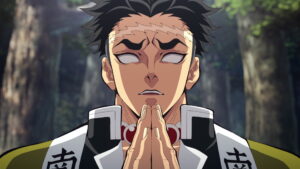
Watch Order