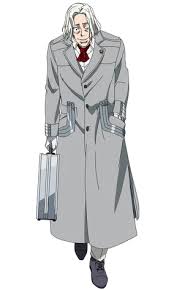

Enji Koma
Enji Koma is a supporting character in Tokyo Ghoul and a trusted employee of Anteiku, the peaceful coffee shop managed by Yoshimura. Before leaving behind his violent past, Koma was the feared leader of the Devil Ape gang, one of the strongest ghoul groups in Tokyo. Over time, he chooses a quieter life and becomes one of Anteiku’s most dependable members, helping protect both humans and peaceful ghouls.
Known for his cheerful personality and immense strength, Enji Koma is a fan-favorite supporting character whose loyalty and courage make him an important part of the Tokyo Ghoul story.
Character Overview
Enji Koma works as a waiter at Anteiku alongside fellow employees such as Touka Kirishima, Ken Kaneki, and Renji Yomo. Although he appears friendly and easygoing, he once earned a fearsome reputation as the leader of the Devil Ape organization.
Koma has short blond hair, glasses, and usually wears casual clothing while working at the café. His relaxed attitude often hides the experience and wisdom gained from years of surviving as a powerful ghoul.
After joining Anteiku, Koma dedicates himself to protecting his friends and supporting Yoshimura’s vision of peaceful coexistence between humans and ghouls.
Abilities and Powers
Enji Koma is a highly skilled ghoul with years of combat experience and impressive physical abilities.
His notable abilities include:
- Powerful Bikaku Kagune with excellent balance between offense and defense.
- Exceptional physical strength and endurance.
- High-speed regeneration.
- Extensive hand-to-hand combat experience.
- Leadership and tactical combat skills developed during his time leading the Devil Ape gang.
Koma’s Bikaku Kagune gives him remarkable versatility during battle. He combines powerful close-range attacks with impressive durability, allowing him to fight effectively against both powerful ghouls and experienced CCG investigators.
His years as a gang leader also make him an experienced strategist capable of adapting to changing battlefield conditions.
Role in the Story
Enji Koma serves as one of Anteiku’s senior members and helps guide younger characters, including Ken Kaneki, as they adjust to life as ghouls.
Without revealing major spoilers, Koma plays an important role during several conflicts involving Anteiku and the CCG. When danger threatens the people he cares about, he willingly returns to the battlefield despite leaving his violent past behind.
His loyalty to Anteiku and Yoshimura demonstrates his belief that humans and ghouls can coexist peacefully, making him one of the organization’s most dependable defenders.
Interesting Facts
Enji Koma was formerly the leader of the infamous Devil Ape gang.
He later abandoned his criminal past to work peacefully at Anteiku.
Koma possesses a powerful Bikaku Kagune that excels in balanced combat.
Despite his intimidating reputation, he has a cheerful and humorous personality.
Many fans appreciate Koma because he shows that even former criminals can choose a better path.
Why Fans Love Enji Koma
Fans admire Enji Koma because of his transformation from a feared gang leader into a compassionate protector. His friendly attitude, humorous personality, and genuine concern for his friends make him one of the most likable supporting characters in Tokyo Ghoul.
His powerful combat abilities also create memorable battle scenes whenever Anteiku comes under attack. Viewers especially appreciate the contrast between Koma’s peaceful everyday life and the terrifying reputation he once held.
His loyalty, courage, and personal growth continue to resonate with fans throughout the series.
Conclusion
Enji Koma is one of the most memorable supporting characters in Tokyo Ghoul. As a former Devil Ape leader turned Anteiku employee, he embodies the series’ themes of redemption and coexistence. Through his powerful Bikaku Kagune, unwavering loyalty, and kind-hearted personality, Koma proves that a person’s past does not define their future. His contributions make him an essential member of the Anteiku family and a beloved character among Tokyo Ghoul fans.