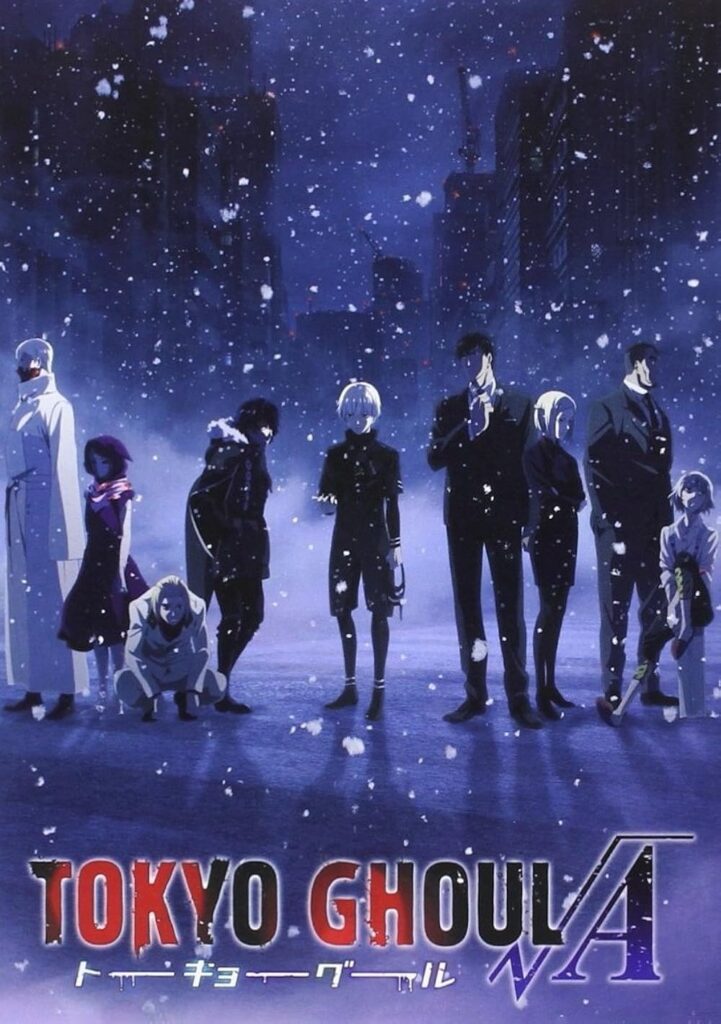
Tokyo Ghoul √A
Introduction
Tokyo Ghoul √A is the second season of the Tokyo Ghoul anime and continues Ken Kaneki’s dark and emotional journey through a world where humans and Ghouls are locked in an endless struggle. Released in 2015, the series takes a different approach from the original manga, presenting an anime-original storyline while preserving the franchise’s signature blend of action, horror, and psychological drama.
Following the dramatic conclusion of the first season, Kaneki faces difficult choices that challenge both his humanity and his identity as a half-Ghoul. His decisions lead him down a dangerous path filled with powerful enemies, emotional sacrifices, and battles that shape the future of Tokyo’s Ghoul society.
Although Tokyo Ghoul √A received mixed reactions due to its deviation from the manga, it remains an important chapter in the anime franchise. Fans continue to appreciate its emotional moments, memorable soundtrack, and intense action sequences, making it a must-watch for anyone following Ken Kaneki’s story.
Overview
Tokyo Ghoul √A is the sequel to the original Tokyo Ghoul anime and adapts parts of Sui Ishida’s manga while introducing several anime-original story elements. Produced by Studio Pierrot, the season aired from January to March 2015 with a total of 12 episodes.
Unlike the first season, which closely followed the manga’s early story arcs, Tokyo Ghoul √A explores an alternate narrative centered on Kaneki’s personal choices after the events of the Aogiri Tree conflict. The season expands the ongoing battle between Ghouls and the Commission of Counter Ghoul (CCG), introducing larger conflicts, emotional character moments, and high-stakes confrontations.
The story continues to examine themes of loneliness, sacrifice, survival, and the blurred line between monsters and humans.
Story Summary (Spoiler-Free)
After enduring unimaginable pain and discovering the harsh realities of the Ghoul world, Ken Kaneki decides to distance himself from the peaceful life he once knew. Believing that becoming stronger is the only way to protect the people he cares about, he chooses a path that surprises both his friends and his enemies.
Kaneki becomes involved with the powerful Aogiri Tree organization, hoping to better understand the forces threatening both humans and Ghouls. Meanwhile, Anteiku’s members continue protecting innocent Ghouls while the CCG intensifies its operations against Ghoul organizations across Tokyo.
As multiple factions pursue their own goals, long-hidden secrets begin to surface. Loyalties are tested, friendships are strained, and every major conflict pushes Kaneki closer to discovering what kind of person he truly wants to become.
Without revealing its biggest twists, Tokyo Ghoul √A builds toward an emotional finale that remains one of the franchise’s most memorable moments.
Main Characters
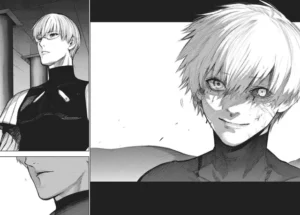
Ken Kaneki
Ken Kaneki returns as the series’ protagonist. After the traumatic events of Season 1, he becomes quieter, more determined, and far more powerful. His struggle between protecting others and accepting his Ghoul side continues to drive the story.
Touka Kirishima
Touka remains one of Kaneki’s closest companions despite their growing distance. She continues balancing her ordinary school life with the dangerous responsibilities of living as a Ghoul.
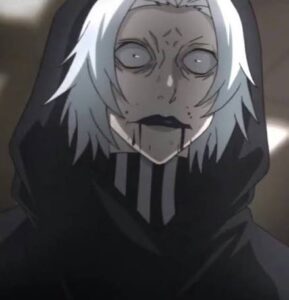
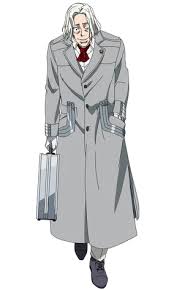
Yoshimura
The peaceful manager of Anteiku continues serving as a mentor and protector to many young Ghouls. His wisdom and compassion make him one of the story’s most respected characters.
Hideyoshi Nagachika
Hide remains Kaneki’s loyal human friend. His unwavering concern for Kaneki highlights the importance of friendship even as the conflict between humans and Ghouls intensifies.
Kishou Arima
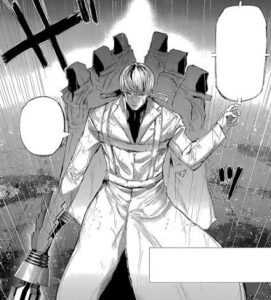
Known as the CCG’s strongest investigator, Arima becomes an increasingly important figure as the story approaches its climax. His incredible combat skills and mysterious personality make him a formidable opponent.
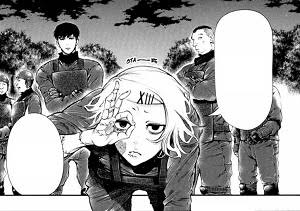
Juuzou Suzuya
Juuzou continues to stand out as one of the CCG’s most unpredictable investigators. His unique fighting style and unconventional personality make every appearance memorable.
Ayato Kirishima
Touka’s younger brother and a member of Aogiri Tree plays a larger role during the season, showcasing both his strength and complicated relationship with his sister.
Why You Should Watch
Tokyo Ghoul √A offers a darker and more emotional continuation of Ken Kaneki’s journey. While it differs from the manga, it presents a unique interpretation of the story that focuses heavily on Kaneki’s internal struggles and the consequences of his decisions.
The season expands the conflict between the CCG and Ghoul organizations, introducing larger-scale battles and emotional confrontations that raise the stakes considerably.
Fans who enjoy psychological storytelling will appreciate the themes of identity, sacrifice, loneliness, and the emotional burden of choosing between two worlds. The series also features several memorable action scenes and one of the franchise’s most emotionally powerful endings.
If you’ve already watched the first season, Tokyo Ghoul √A is an essential continuation before moving on to Tokyo Ghoul:re.
Animation & Art Style
Studio Pierrot maintains the dark visual style established in the first season. The gloomy streets of Tokyo, abandoned buildings, and underground Ghoul hideouts create an atmosphere filled with constant tension.
The Kagune battles remain visually exciting, featuring fluid movement, dramatic lighting, and impactful combat choreography. Character expressions effectively convey fear, sadness, determination, and inner conflict, particularly during Kaneki’s emotional scenes.
Although the season occasionally varies in animation quality during quieter moments, its major battles and emotional sequences continue to deliver impressive visuals.
Music & Voice Acting
Music remains one of Tokyo Ghoul √A‘s strongest elements. The opening theme “Munou” by Österreich perfectly captures the season’s darker atmosphere, while the ending theme enhances its emotional tone.
Composer Yutaka Yamada once again delivers a haunting soundtrack filled with orchestral pieces and melancholic melodies that strengthen both action scenes and emotional moments.
The Japanese voice cast provides excellent performances throughout the series. Natsuki Hanae portrays Kaneki’s emotional transformation with remarkable depth, while Sora Amamiya, Takahiro Sakurai, and the rest of the cast continue bringing authenticity to their characters.
Strengths
One of the greatest strengths of Tokyo Ghoul √A is its emotional atmosphere. The series consistently explores themes of loneliness, sacrifice, friendship, and identity without relying solely on action.
Kaneki’s character development remains compelling, even within the anime-original storyline. His desire to protect others while accepting his own Ghoul nature gives the season a strong emotional foundation.
The soundtrack is another standout feature, complementing nearly every important scene with memorable music.
The darker tone, stylish visuals, and intense battles help maintain the franchise’s unique identity.
Weaknesses
The biggest criticism of Tokyo Ghoul √A is its departure from the original manga. Many important story developments were changed or condensed, leading to confusion for viewers familiar with Sui Ishida’s work.
Some supporting characters receive less development than expected, and certain plot points move quickly due to the season’s limited episode count.
Despite these shortcomings, the anime remains enjoyable when viewed as an alternate interpretation of Kaneki’s journey rather than a completely faithful adaptation.
Who Should Watch This Anime?
Tokyo Ghoul √A is recommended for fans of dark fantasy, psychological thrillers, supernatural action, and emotionally driven stories.
Viewers who enjoyed the first season will appreciate seeing how Kaneki’s choices shape his future, while fans of mature anime with moral complexity and tragic characters will find plenty to enjoy.
However, because it directly continues the first season, newcomers should begin with Tokyo Ghoul before watching √A.
Final Verdict
Tokyo Ghoul √A may not follow the manga as closely as some fans hoped, but it still delivers an emotional and visually engaging continuation of Ken Kaneki’s story.
Its memorable soundtrack, strong performances, dark atmosphere, and psychological themes help create an unforgettable viewing experience. While some narrative changes remain controversial, the season succeeds in exploring Kaneki’s inner struggles and the devastating consequences of the war between humans and Ghouls.
For anyone invested in the Tokyo Ghoul universe, Tokyo Ghoul √A remains an important chapter that bridges the events of the original series and Tokyo Ghoul:re. Despite its flaws, it continues to stand as one of the franchise’s most emotional installments.